Choosing a dress for a girl is about more than picking a pretty color or following whatever is popular at the moment. The right outfit should suit her age, personality, comfort level, occasion, and the season. Fashion changes quickly, so knowing how to identify trending dresses for girls can make shopping much easier without turning every purchase into a search for the newest style. 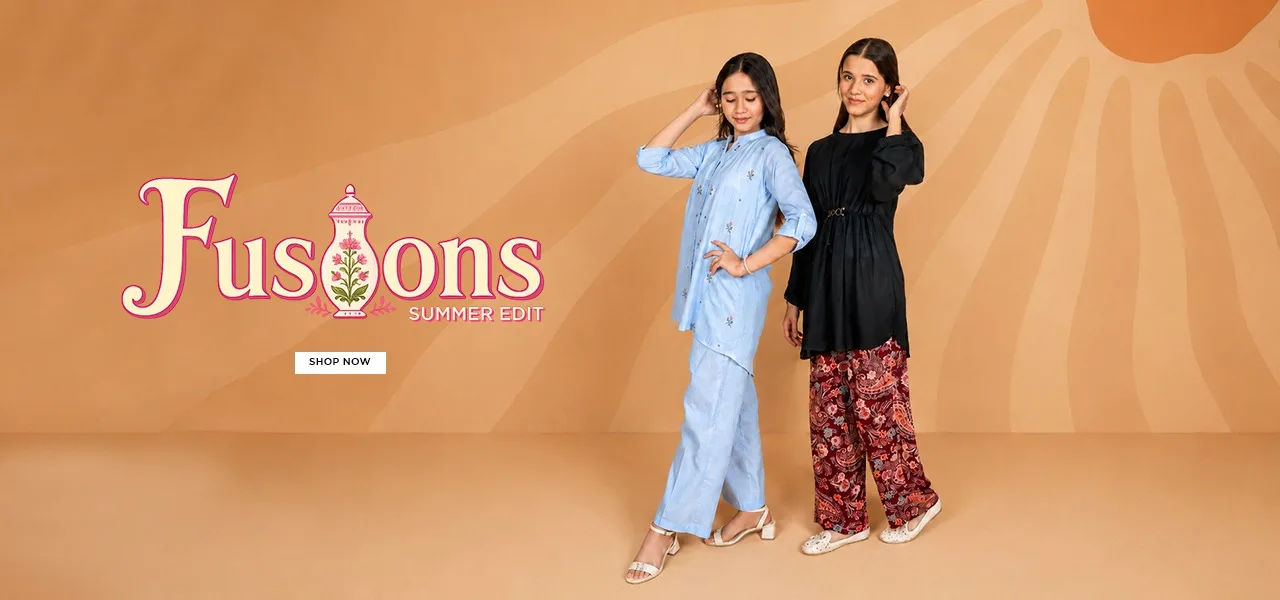 Parents and young shoppers often face a huge range of choices.
There are casual cotton dresses, party frocks, embroidered outfits, maxi dresses, floral designs, denim styles, and modern silhouettes. Some look attractive online but may not be practical for everyday wear. Others may be fashionable but uncomfortable after a few hours.
The best approach is to understand why a dress is trending and then decide whether that trend actually suits the girl who will wear it. Trending dresses for girls should not simply look fashionable. They should also offer a sensible combination of comfort, quality, versatility, and personal style.
What Makes a Dress Trend
A trend usually becomes popular because many people start wearing or searching for a particular style. Fashion designers, social media creators, celebrities, retailers, and seasonal collections can all influence what becomes popular.
However, popularity does not automatically make a particular dress suitable for every girl. A heavily decorated party dress may be fashionable, but it might not work for school, outdoor activities, or casual family gatherings.
When looking at trending dresses for girls, pay attention to the overall design rather than focusing only on one small detail. A current trend may involve a certain sleeve shape, color family, fabric, print, length, or silhouette.
Some trends also remain popular for several years. Floral prints, comfortable cotton dresses, soft pastel shades, and simple party silhouettes can move in and out of fashion without becoming completely outdated.
Look Beyond Social Media
Social media can be useful for discovering fashion ideas, but it can also create unrealistic expectations. A dress may look impressive in a carefully styled photograph because of professional lighting, posing, accessories, and editing.
Before buying, consider how the dress will look in normal daily life. Think about whether it can be worn comfortably while walking, sitting, playing, eating, or attending an event.
A trend is more useful when it works outside a photograph.
Consider the Girl's Age
Age is one of the most important factors when choosing a fashionable dress. A style that looks appropriate for a teenager may not be suitable for a younger child, while a very childish design may not appeal to an older girl.
For younger girls, comfort and movement are usually especially important. Dresses with soft fabrics, comfortable waistlines, and simple closures can make dressing easier.
Older girls may have stronger opinions about colors, patterns, lengths, and silhouettes. Including them in the decision can help ensure that the outfit reflects their personality.
When selecting trending dresses for girls, age should therefore be considered alongside fashion. The most popular design is not necessarily the most appropriate design.
Choose Age-Appropriate Details
Age-appropriate does not mean boring. Girls can wear fashionable colors, attractive prints, interesting sleeves, layered skirts, and modern cuts while still having an outfit that suits their age.
For younger children, playful prints and comfortable shapes may work well. Teenagers may prefer cleaner silhouettes, coordinated sets, elegant detailing, or more mature color combinations.
The goal is balance rather than restricting fashion choices.
Match the Dress to the Occasion
A dress should always make sense for the event where it will be worn. Casual clothing, school outfits, birthday dresses, wedding clothes, and formal party dresses have different requirements.
For everyday use, lightweight materials and easy-care designs are practical. A simple printed dress can often be worn repeatedly with different shoes and accessories.
For birthday parties, girls may prefer dresses with more color, volume, embroidery, bows, or decorative details. Formal occasions can call for richer fabrics and more polished designs.
This is where trending dresses for girls can be especially useful because current styles provide plenty of inspiration without requiring an outfit to look identical to every other dress available.
Think About How Long the Event Will Last
An outfit that feels comfortable for thirty minutes may become irritating during a five-hour celebration.
Consider whether the girl will spend most of the event sitting, standing, dancing, walking, or playing. Scratchy embellishments, stiff fabric, tight waistbands, or uncomfortable shoes can quickly turn an attractive outfit into an unwanted one.
For longer events, comfort should remain a major part of the selection process.
Choose Comfortable Fabrics
Fabric can completely change how a dress feels. Two dresses may have almost identical designs but feel very different because they use different materials.
Cotton is popular for warm weather because it is generally lightweight and breathable. Linen can also be useful in hot conditions, although it tends to wrinkle more easily.
For cooler weather, heavier materials and layered designs can provide additional warmth. Soft blends may offer easier maintenance and improved durability.
When exploring trending dresses for girls, always check the fabric description before purchasing. A beautiful design loses much of its value if the material feels uncomfortable against the skin.
Consider the Climate
The local climate should influence dress selection.
In hot weather, breathable materials, lighter colors, loose silhouettes, and minimal layering can be more comfortable. In cooler conditions, dresses can be combined with tights, leggings, cardigans, jackets, or other layers.
Seasonal trends often include colors and materials associated with particular weather conditions, but comfort should still guide the final choice.
Pay Attention to Colors
Color is one of the easiest ways to make a dress look current. Fashion trends often move through different color families, but choosing a fashionable shade does not mean ignoring personal preference.
Pastels can create a soft and delicate appearance. Bright colors can produce a more energetic look. Neutral colors are versatile and can often be styled in several ways.
The girl's complexion, existing wardrobe, and personal taste can also influence the decision.
Use Prints Carefully
Prints can make a simple dress much more interesting. Florals, checks, stripes, dots, geometric designs, and playful illustrations can all work depending on the occasion.
For younger girls, cheerful prints may be particularly appealing. Older girls might prefer smaller patterns or more understated designs.
If the print is very bold, keeping the rest of the outfit simple can prevent the overall appearance from becoming too busy.
Look at the Dress Silhouette
The silhouette describes the general shape of the dress. It affects both appearance and comfort.
A fit-and-flare dress creates volume toward the lower portion. An A-line shape gradually widens from the upper body. Maxi dresses provide more length and a different visual effect, while relaxed dresses emphasize comfort.
There is no single silhouette that works for everyone.
The girl should be able to sit, walk, bend, and move naturally. If a particular design restricts movement, its fashionable appearance may not compensate for the lack of comfort.
Check the Fit Carefully
A fashionable dress still needs to fit properly. Buying a size too small can make the garment uncomfortable, while buying a much larger size may make it look untidy.
For children, some parents intentionally choose a little extra room because children grow quickly. That can be practical, but there is a difference between allowing room for growth and purchasing something so oversized that it becomes difficult to wear.
Measurements are particularly important when shopping online. Do not rely only on age-based sizing because sizing systems can vary between brands and manufacturers.
Check Important Measurements
Depending on the dress, useful measurements may include chest, waist, shoulder width, sleeve length, dress length, and hip measurement.
Compare these measurements with the seller's size chart rather than assuming that the same numerical size will fit across every store.
This simple step can reduce the chance of receiving a dress that needs major alterations.
Consider Dress Length
Dress length affects both style and practicality. Shorter dresses can offer greater freedom of movement, while longer dresses can create a more formal appearance.
For younger girls, extremely long dresses may become difficult to manage during play or walking. For special occasions, longer designs can work well when the event and setting make them practical.
When choosing trending dresses for girls, consider where the hem will fall when the girl sits down as well as when she stands.
Examine the Details
Small details can make a major difference in a dress.
Buttons, zippers, bows, pleats, embroidery, lace, ruffles, pockets, collars, and decorative stitching can all affect appearance. They can also affect comfort and maintenance.
Check whether decorations are securely attached. Loose beads, rough stitching, or poorly finished seams can become problems, especially with clothing that will be worn frequently.
Simple details are often enough to give a dress a fashionable appearance without making it difficult to maintain.
Do Not Overdo Embellishment
More decoration does not necessarily mean better fashion.
A dress covered with sequins and elaborate embellishments may be perfect for a formal celebration but excessive for everyday use. A cleaner design can sometimes look more polished and remain useful for longer.
Think about the occasion and the girl's preferences before choosing heavily decorated styles.
Think About Versatility
A versatile dress can be worn in more than one setting. This is particularly useful when buying clothing for growing children.
A simple dress can potentially be styled with sneakers for a casual look, sandals for warm-weather outings, or a cardigan for cooler conditions.
Neutral or moderately detailed dresses can also work with different accessories.
This makes trending dresses for girls more practical when the chosen design can move beyond a single occasion.
Consider the Existing Wardrobe
Before buying another dress, look at what is already available.
If the wardrobe contains many floral dresses, another floral design may add little variety. A solid-color dress could provide a useful alternative.
Likewise, if most existing outfits are casual, one more polished dress could provide an option for family celebrations or formal events.
Shopping with the existing wardrobe in mind can prevent unnecessary purchases and make each new outfit more useful.
Check Quality Before Buying
Fashion trends can change quickly, but quality remains important.
Look closely at seams, hems, buttons, zippers, lining, and decorative attachments. Poor construction can cause a dress to lose its shape or develop problems after only a few washes.
The fabric should also match the intended frequency of use. A delicate material may be appropriate for occasional events but inconvenient for regular wear.
When evaluating trending dresses for girls, quality should be considered alongside appearance.
Read Customer Reviews
Online reviews can provide useful information that product photographs do not show.
Look for comments about sizing, fabric feel, color accuracy, stitching, shrinkage, and durability. Reviews containing photographs can sometimes provide a better idea of how the dress looks in ordinary conditions.
Do not rely on a single review. Look for repeated patterns across several customer experiences.
Consider Maintenance
A dress that requires complicated cleaning may not be practical for regular use.
Before purchasing, check the care instructions. Some materials can be machine washed, while others require gentler cleaning or special handling.
Children's clothing can encounter food stains, grass, dust, and frequent washing. Easy-care fabrics can therefore be valuable for everyday dresses.
For special-occasion clothing, more delicate care may be acceptable because the garment may only be worn occasionally.
Balance Trends With Personal Style
Fashion should provide ideas, not eliminate individuality.
A girl may prefer dresses that are simple and elegant even when elaborate designs are currently popular. Another may enjoy bright colors, large prints, and dramatic skirts.
The best way to choose trending dresses for girls is to use current fashion as a starting point and then adapt it to personal taste.
A trend becomes more useful when the person wearing it feels comfortable and confident in the outfit.
Let Girls Participate in the Choice
When appropriate, let the girl help select her clothes.
Giving her a few suitable choices allows her to develop her own sense of style while keeping practical considerations under control.
For younger children, parents may narrow the selection to several comfortable and age-appropriate options. Older girls can usually have more influence over colors, patterns, and silhouettes.
This approach can also make clothing purchases less stressful.
Be Careful With Fast Fashion Trends
Some trends disappear almost as quickly as they appear.
Buying several highly specific trend pieces can become expensive if they are rarely worn after the trend changes.
Instead, consider combining a few current details with classic designs. A timeless dress with a fashionable color or modern sleeve can feel current without becoming outdated immediately.
This is especially useful when selecting trending dresses for girls for a growing child.
Choose Accessories Wisely
Accessories can change the appearance of a dress without requiring a completely different outfit.
Hair accessories, simple jewelry, belts, cardigans, jackets, tights, socks, and shoes can all influence the final look.
However, accessories should suit the dress rather than compete with it.
If the dress already contains substantial embroidery or decorative elements, simple accessories may create a more balanced appearance.
Set a Realistic Budget
A higher price does not automatically mean a dress is better.
Before shopping, decide how much you are comfortable spending. Then compare the quality, fabric, construction, versatility, and expected frequency of use.
For a dress that will only be worn once, spending heavily may not make sense for every family. A frequently worn dress may justify a higher price if it offers better construction and durability.
Budgeting also makes it easier to avoid impulse purchases caused by short-lived trends.
Compare Online and Physical Shopping
Both shopping methods have advantages.
Physical stores allow shoppers to examine the fabric, stitching, color, and fit directly. The girl can also try the dress before buying.
Online shopping provides a wider selection and makes it easier to compare styles and prices. However, sizing and fabric quality can be harder to judge.
If buying online, pay close attention to measurements, photographs, customer reviews, return policies, and care instructions.
Watch Seasonal Trends
Fashion changes according to the season.
Spring and summer collections often introduce lighter fabrics, brighter colors, floral patterns, and airy silhouettes. Autumn and winter styles may include deeper shades, layered clothing, heavier materials, and warmer textures.
Seasonal trends can help narrow down choices, but weather conditions should remain a practical consideration.
There is little value in choosing an extremely delicate summer dress if the girl needs something suitable for cold weather.
Think About Growth
Children can outgrow clothing surprisingly quickly.
When buying dresses for younger girls, consider whether the design has some flexibility. Adjustable straps, elastic sections, slightly relaxed fits, and practical waist designs can sometimes extend the useful life of an outfit.
However, growth planning should not come at the expense of proper fit. A dress should still look and feel appropriate when it is first worn.
Create a Simple Shopping Checklist
Before purchasing trending dresses for girls, ask a few straightforward questions.
Does the dress suit the girl's age? Is the fabric comfortable? Is the size correct? Can she move easily? Is the design appropriate for the occasion? Will it work with clothes and accessories already in the wardrobe? Is it easy enough to maintain? Does the quality justify the price?
If most answers are positive, the dress is likely to be a practical purchase rather than an impulse buy.
Conclusion
Choosing fashionable clothing does not require following every new trend. The most useful approach is to understand current styles and then filter them through comfort, age, occasion, quality, budget, climate, and personal preference.
Trending dresses for girls can provide excellent inspiration, but a trend should never be the only reason to buy a dress. A fashionable outfit should still allow a girl to move comfortably, feel good wearing it, and use it in a realistic setting.
Pay attention to fabric, fit, length, colors, prints, construction, and maintenance. Consider whether the dress can be styled in more than one way and whether it works with the girl's existing wardrobe.
It is also worth remembering that children's fashion should leave room for personality. Some girls love elaborate party dresses, while others prefer simple cotton designs. Neither preference needs to follow the exact direction of the current fashion cycle.
The smartest choice is usually a dress that combines a few current fashion elements with practical qualities that will remain useful. A modern color, attractive print, updated silhouette, or interesting detail can make an outfit feel current without making it difficult to wear.
Ultimately, the purpose of fashion is not simply to reproduce what is popular. It is to find clothing that fits the person, the occasion, and the moment. By using trends as inspiration rather than a strict rule, parents and girls can find dresses that look fashionable while remaining comfortable, practical, and enjoyable to wear.
