In recent years, many users have been exposed to local “slot” websites that promise fast wins and easy access.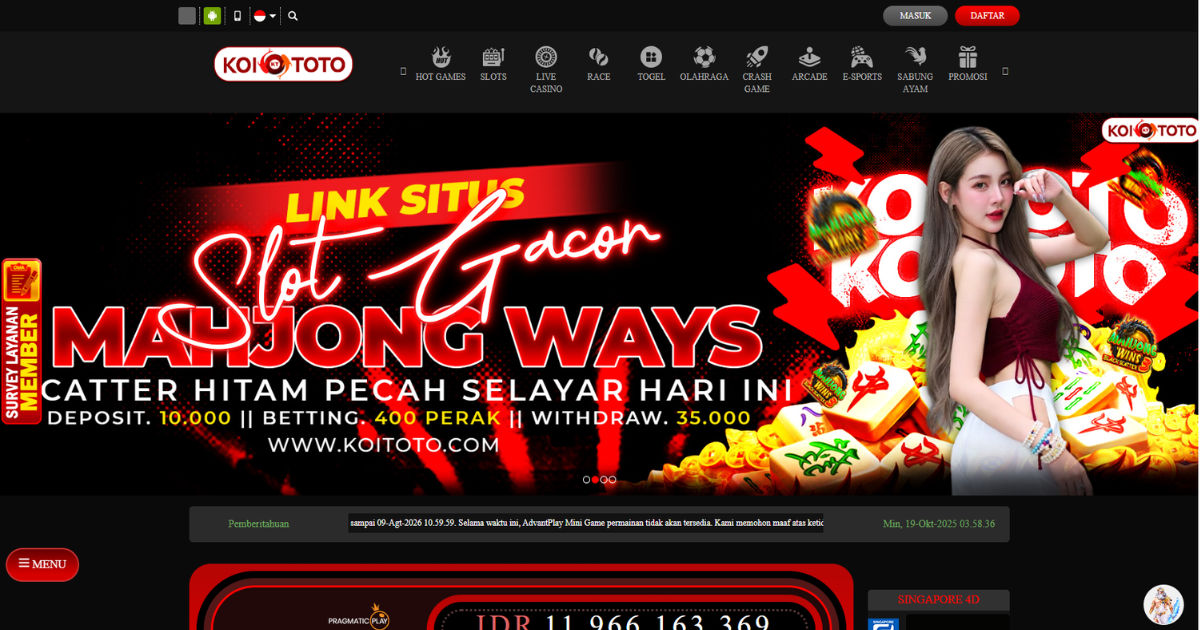
One keyword that often appears in discussions like this is scatter hitam, usually used in promotional or misleading contexts to attract attention. In reality, behind these flashy terms, there are serious risks that users often overlook.
This article explains those risks in a clear, practical way so that a 12th-grade reader can understand how these platforms operate, what dangers they bring, and why caution is necessary.
What “slot lokal” actually means
What users usually see on the surface
Local slot sites are online platforms that mimic casino-style games. They are often marketed as simple entertainment apps where users can “try their luck” with minimal effort. The interface is usually colorful, fast, and designed to keep users engaged for long periods.
Many of these platforms also use attention-grabbing terms like bonuses, jackpots, or even phrases like scatter hitam to create the impression of special features or higher winning chances.
What is happening behind the scenes
In reality, most of these platforms operate with minimal transparency. Unlike regulated gaming environments, many local slot sites are not fully licensed or supervised. This means users often do not know:
- How outcomes are generated
- Whether the system is fair
- How personal data is stored
- Who actually controls the platform
This lack of transparency is where most risks begin.
Financial risks for users
Loss of money due to high randomness
The most obvious risk is financial loss. Slot-based systems are designed around randomness, but unregulated platforms often adjust probabilities in ways users cannot verify. This creates a situation where losses can accumulate quickly without clear explanation.
Users are often encouraged to keep playing after small wins, which creates the illusion of control. Over time, this leads to larger losses.
Hidden fees and unclear transactions
Many users report unexpected deductions, unclear withdrawal conditions, or delayed payments. Some platforms require users to meet complicated conditions before they can access their funds, which can trap money inside the system.
Psychological spending loops
One of the biggest financial dangers is not just the game itself, but the behavior it encourages. Users may start spending more than intended because:
- They want to recover previous losses
- They believe a win is “just around the corner”
- They are influenced by visual cues and rewards
This cycle can become difficult to break.
Data privacy and security risks
Personal information exposure
Many local slot platforms require users to register with personal details such as phone numbers, emails, or even banking information. In unregulated environments, there is no guarantee that this data is securely stored.
This increases the risk of:
- Data leaks
- Identity misuse
- Spam or scam targeting
Lack of encryption standards
Legitimate digital platforms use strong encryption to protect user data. However, many informal slot websites do not follow strict security standards. This makes user data vulnerable to interception or unauthorized access.
Possible resale of user data
In some cases, user data may be shared or sold to third parties. This can lead to users receiving unwanted marketing messages or being targeted by other suspicious platforms.
Psychological and behavioral risks
Addiction-like patterns
Slot-style games are designed to be highly engaging. The combination of fast results, bright visuals, and reward sounds can trigger repetitive behavior. Over time, this may resemble addictive patterns.
Users may find themselves:
- Playing longer than planned
- Thinking about the game frequently
- Feeling restless when not playing
Emotional dependency on wins
A major psychological risk is emotional attachment to outcomes. Wins create excitement, while losses can lead to frustration. This emotional cycle can make it difficult for users to step away.
Misleading reward systems
Some platforms use terms like scatter hitam to suggest rare or powerful features. These terms are often part of marketing psychology rather than actual game mechanics. They create false expectations of higher success rates.
Legal and regulatory risks
Lack of official protection
In many regions, including areas where local slot platforms operate informally, users have limited legal protection. If something goes wrong—such as loss of funds or data misuse—there is often no clear authority to report it to.
Unlicensed operations
Many of these platforms operate without proper licensing. This means they are not required to follow fair gaming standards, audits, or consumer protection laws.
Risk of sudden shutdown
Because they are not regulated, these platforms can disappear without warning. Users may lose access to accounts, balances, and transaction history instantly.
Social risks and lifestyle impact
Impact on relationships
Excessive involvement in online slot platforms can lead to reduced social interaction. Users may spend less time with family or friends, which can affect relationships over time.
Productivity loss
Time spent on these platforms can interfere with work, studies, or daily responsibilities. Even short sessions can become longer than expected due to the fast-paced nature of the games.
Normalization of risky behavior
When people see others participating in these platforms, it can normalize risky financial behavior. This is especially concerning for younger users who may not fully understand the consequences.
Common tactics used by risky platforms
Attractive bonuses and fake urgency
Many platforms use limited-time offers or exaggerated bonuses to encourage quick decisions. These tactics are designed to reduce careful thinking.
Use of trending keywords
Terms like scatter hitam are often used to attract attention, even if they do not represent real features. This creates confusion and curiosity.
Visual manipulation
Bright colors, flashing animations, and reward sounds are used to keep users engaged and reduce the feeling of loss.
How users can protect themselves
Be critical of unrealistic promises
If a platform promises easy money or guaranteed wins, it should be treated with caution. In most real systems, outcomes are uncertain and risks are present.
Avoid sharing sensitive data
Users should avoid entering banking or personal details into platforms that do not clearly show licensing or security standards.
Set clear limits
If someone chooses to engage with such platforms, setting strict time and spending limits can help reduce harm.
Recognize behavioral warning signs
Warning signs include:
- Spending more than intended
- Feeling unable to stop
- Chasing losses
- Hiding activity from others
Recognizing these early is important.
Why awareness matters more than ever
The digital environment makes access to entertainment easier than ever, but it also increases exposure to risky platforms. Many users underestimate how quickly financial and psychological harm can build up.
Understanding how these systems work helps users make more informed decisions. Awareness is not about fear, but about control and responsibility.
The presence of marketing terms like scatter hitam may make these platforms seem more appealing, but informed users learn to look beyond surface-level promotions and focus on safety, transparency, and long-term impact.
Conclusion
Local slot platforms may look simple and entertaining on the surface, but they carry multiple layers of risk that are not always visible at first glance. Financial loss, data exposure, emotional stress, and lack of legal protection are all real concerns that users should not ignore. The combination of persuasive design and unclear regulation makes these platforms especially risky for inexperienced users.
At the core, the issue is not just about winning or losing money, but about control, awareness, and digital safety. When users understand how these systems operate, they are better equipped to avoid harmful patterns and protect themselves from long-term consequences.
Ultimately, making informed choices online is essential in today’s digital world. The more users understand these risks, the less likely they are to fall into harmful cycles or misleading promises. Awareness is the strongest protection against exploitation in any online environment.
